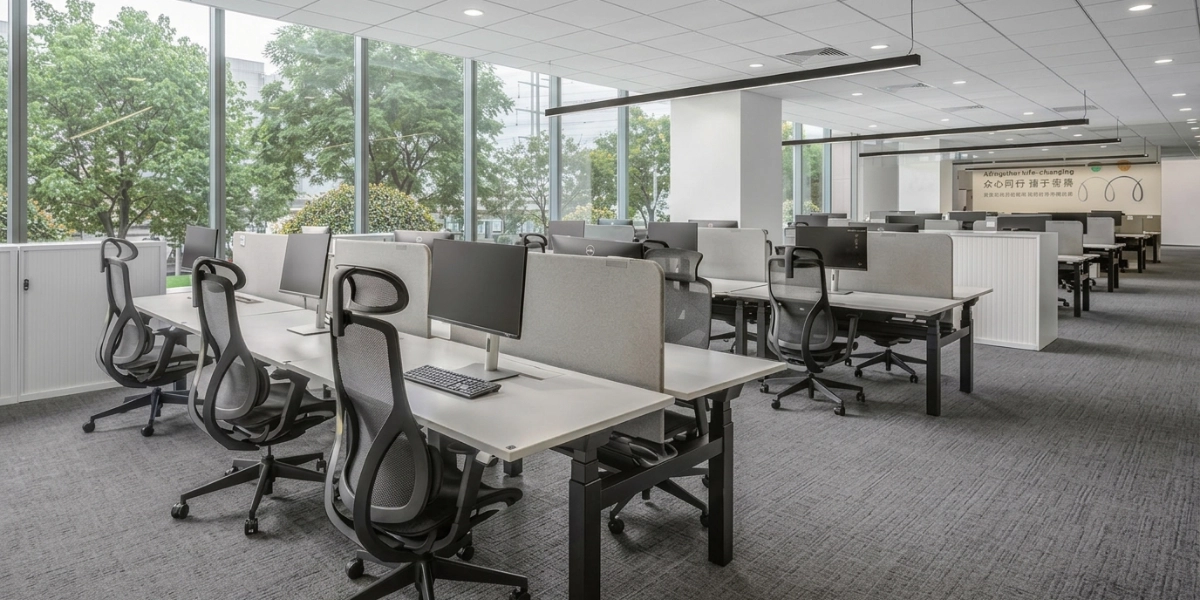
Tips for Office Space Planning and Furniture Selection
For organizations planning to renovate their offices or redesign their workspaces, understanding these key elements can help maximize space efficiency and ensure that furniture selections meet both current needs and long-term requirements.
- Plan Office Spaces According to Their Functions
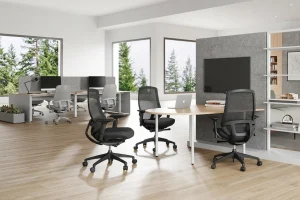
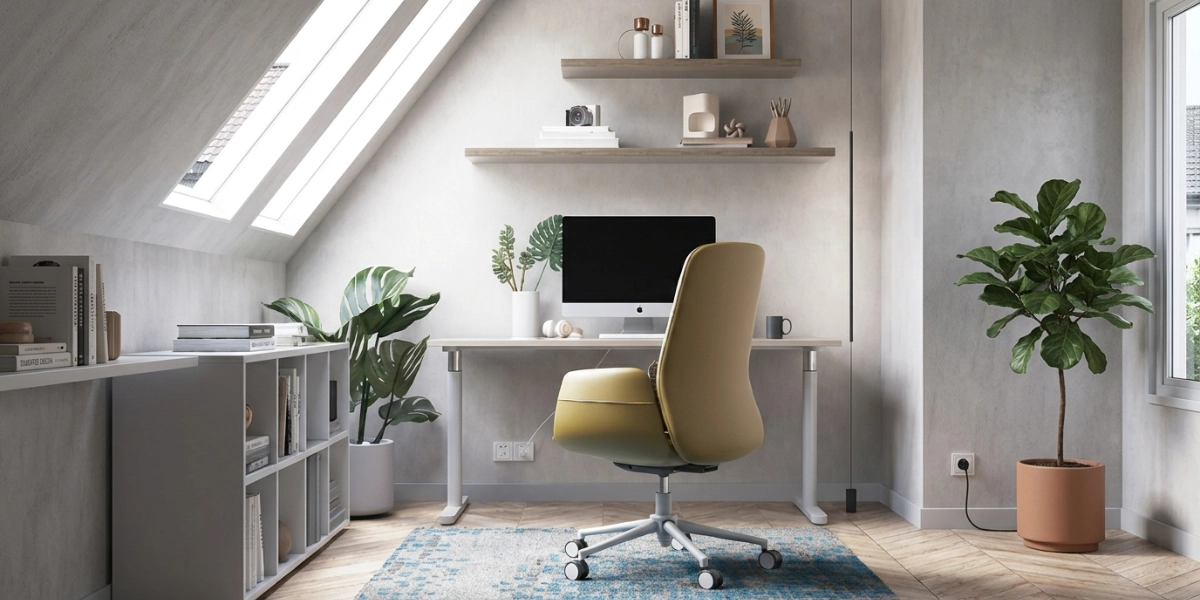
Individual Workspaces: Each workspace should provide sufficient room for a desk, chair, computer, and essential office equipment, while maintaining adequate walkway clearance for convenient movement.
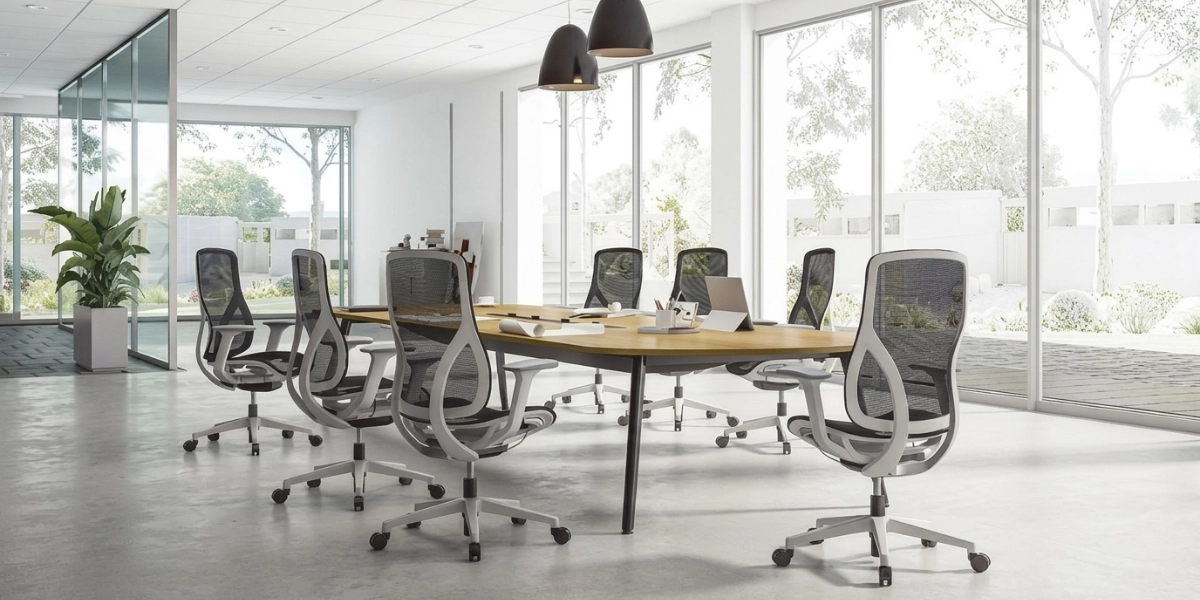
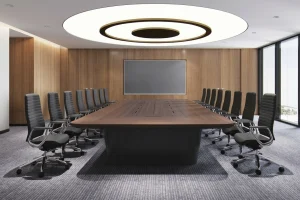
Collaborative Workspaces: Consider incorporating shared tables or informal discussion areas to encourage the exchange of ideas and promote collaboration between departments.
- Choose Office Furniture That Fits the Space and Its Purpose
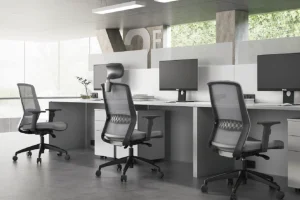
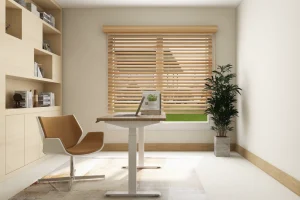
Office Desks: Select desk sizes that complement the available office space and accommodate the number of computer monitors and equipment required. For workplaces with multiple employees and limited space, consider group desks or workstation systems designed to maximize shared space efficiently.
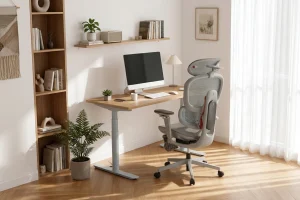
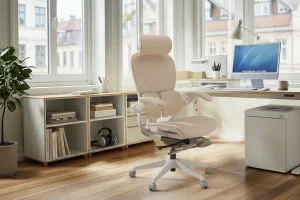
Office Chairs: Prioritize ergonomic support, seat height, backrest design, and adjustable features to ensure comfort and accommodate individual users, especially during extended working hours.
Filing Cabinets and Storage Furniture: Choosing suitable filing cabinets, storage cabinets, and shelving units helps keep office supplies organized, reduce desk clutter, and maintain a clean and tidy workspace.
- Create Suitable Lighting for a Productive Work Environment
Make Use of Natural Light: If the office has windows, take advantage of natural daylight. Install curtains or blinds to control excessive brightness during periods of strong sunlight.
Choose Lighting Based on Activities: Workspaces should have sufficient and evenly distributed lighting, while areas used for reading documents may benefit from additional task lighting.
Minimize Screen Glare: Arrange desks and computer monitors appropriately to avoid glare caused by sunlight from windows or overhead lighting.
Select Lighting Color Temperatures to Suit Each Area: Neutral white lighting is suitable for general workspaces, while warm lighting helps create a relaxing atmosphere in break areas and lounge spaces.
- Choose Office Color Schemes for a Stylish and Professional Look
- White and Cream: Ideal for creating a bright, clean, and spacious atmosphere.
- Gray and Black: Create a modern, sophisticated, and professional appearance.
- Natural Wood Tones: Add warmth and create a welcoming and friendly environment.
- Green and Blue: Can be used as accent colors to bring freshness and vitality into the workspace.
- Corporate Colors: Incorporate brand colors into walls, furniture, or selected decorative elements to reinforce brand identity and maintain visual consistency throughout the office.