Tips for Designing Meeting Rooms and Choosing the Right Furniture
Meeting rooms play an essential role in organizations, serving as spaces for exchanging ideas, planning projects, presenting information, and making collaborative decisions. Therefore, meeting room design should go beyond aesthetics. It should also prioritize comfort, space efficiency, and the right equipment to ensure productive and effective meetings.
- Plan the Meeting Room Layout According to Its Purpose
For small meeting rooms, tables and chairs should be arranged efficiently while maintaining sufficient space for easy access and movement.
For larger meeting rooms, careful consideration should be given to seating distances and participant positioning to ensure that everyone has a clear view of the presenter and display screens.
- Choose Furniture Sizes and Types That Suit the Space
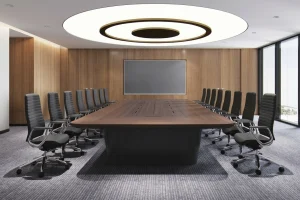
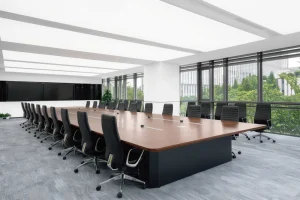
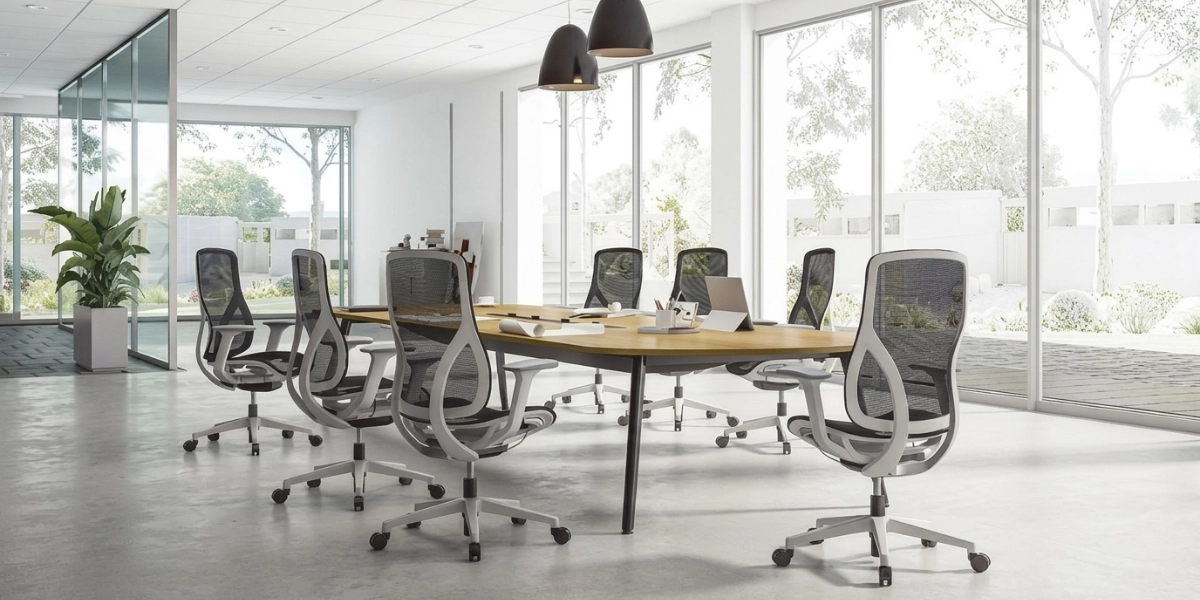
Meeting Tables: Choose table sizes and shapes based on the number of participants and the intended meeting style. Rectangular meeting tables are suitable for meetings where a presenter or meeting leader is positioned at the head of the table, while round or boat-shaped tables are ideal for discussions, collaboration, and the exchange of ideas.
Meeting Chairs: Select chairs with supportive backrests, appropriate seat heights, and comfortable seating. For meeting rooms used for extended periods, consider chairs with armrests or adjustable features to provide additional comfort and convenience.
Cabinets and Equipment Shelving: These are ideal for storing documents, presentation equipment, and various office supplies, helping keep the meeting room organized and ready for use at all times.
Additional Furniture: Items such as equipment tables, display stands, and document holders can be added according to the specific meeting requirements to improve functionality and convenience.
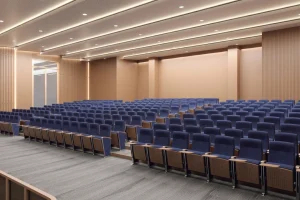
Auditorium Chairs: Choose chairs with ergonomically designed backrests and seats that provide proper body support. Consider additional features such as writing tablets for note-taking and automatic seat-return mechanisms to enhance user convenience and keep the seating area neat and organized.
- Create Suitable Lighting for Effective Meetings
Make the Most of Natural Light: If the meeting room has windows, arrange meeting tables to benefit from natural daylight. Install curtains or adjustable blinds to control brightness and minimize glare on display screens.
Choose Appropriate Lighting Fixtures: Use ceiling lights that provide sufficient and evenly distributed illumination without creating dark shadows or excessive brightness that may cause eye strain. This allows participants to read documents and see important details clearly.
Adjust Lighting for Presentations and Online Meetings: Meeting rooms equipped with projectors or display screens should have adjustable lighting levels to accommodate different activities. For online meetings, ensure that participants’ faces are adequately illuminated for clear visibility on camera.
- Choose Color Schemes That Reflect the Atmosphere and Corporate Identity
White and Cream: Create a clean, bright, and spacious atmosphere. These colors are ideal for smaller meeting rooms or organizations seeking a simple and modern aesthetic.
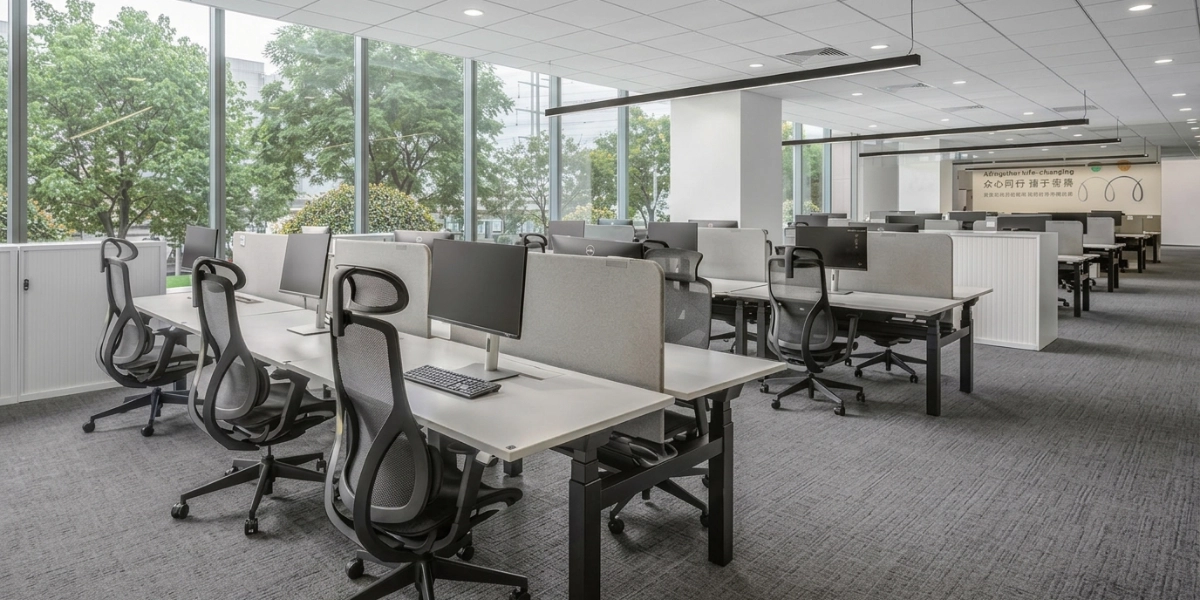
Gray and Black: Suitable for modern and minimalist interiors, creating a sophisticated and professional appearance. Pair these colors with wood-grain meeting tables or metal-frame furniture to add visual interest.
Wood Tones and Earthy Colors: Help create a warm and welcoming atmosphere. These colors are ideal for meeting rooms designed to encourage open discussions and the exchange of ideas.
Corporate Colors: Incorporate brand colors into selected design elements, such as accent walls, chairs, or decorative accessories, to establish a distinctive identity and reinforce the organization’s corporate image.