Tips for Designing Learning Environments and Choosing Furniture to Meet Different Needs
Learning spaces play an important role in enhancing the overall learning experience. A well-designed learning environment should accommodate both individual learning and collaborative activities. By selecting appropriate furniture and creating a comfortable atmosphere, organizations and educational institutions can develop spaces that encourage creativity and make learning more engaging and enjoyable.
- Plan Learning Spaces According to Different Activities
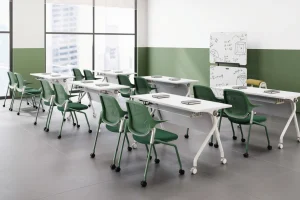
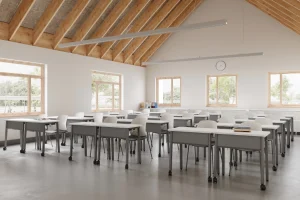
For general classrooms, desks and chairs should be arranged so that students can clearly see the board or display screen, while maintaining sufficient walkway clearance for easy access and movement.
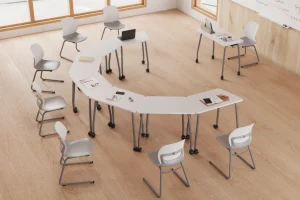
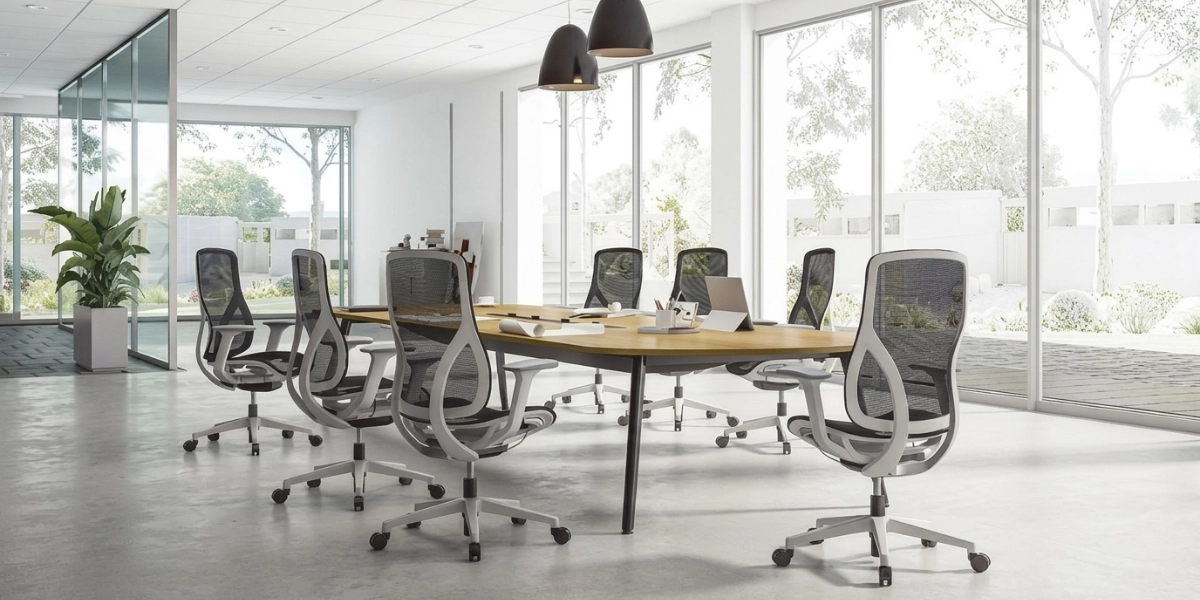
For group activities, consider arranging desks in small clusters to make it easier for students to communicate, exchange ideas, and work together effectively.
- Choose Furniture Sizes and Types That Suit the Space
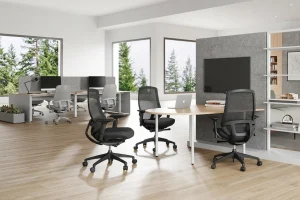
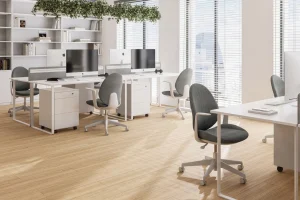
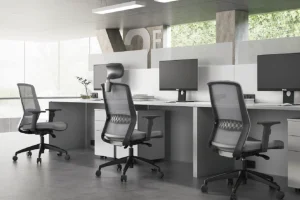
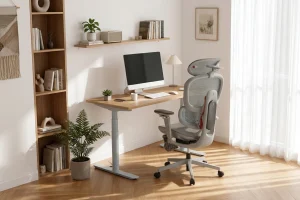
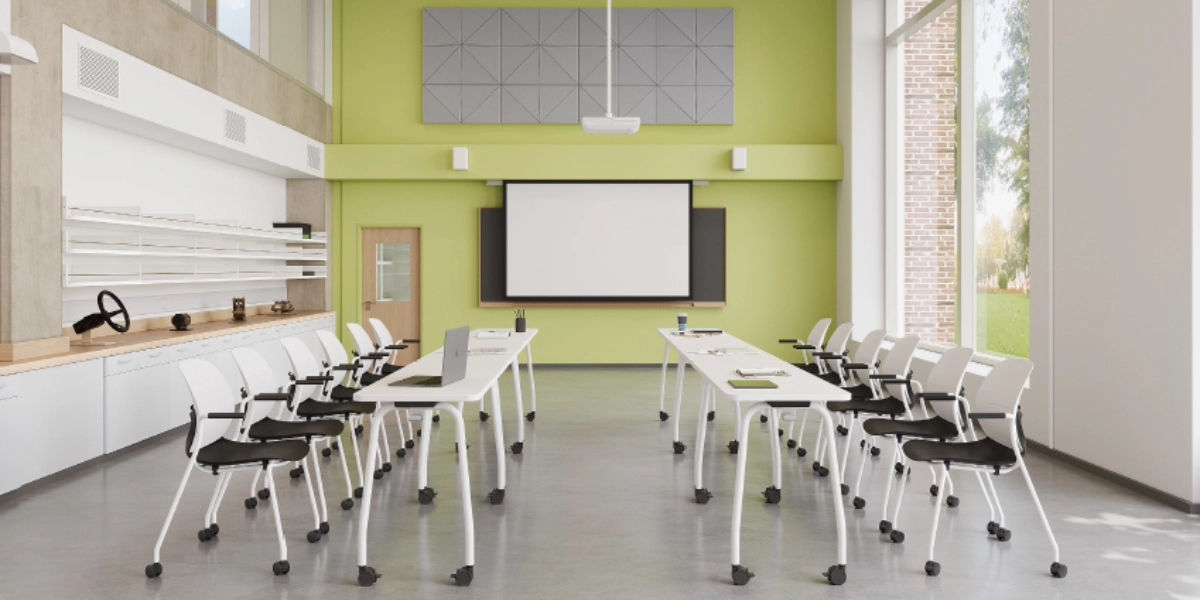
Student Desks: Choose desk sizes that are appropriate for the users and provide sufficient space for books, notebooks, learning materials, and computers. For classrooms that accommodate group activities, consider desks that can be connected or rearranged to support different learning styles and classroom layouts.
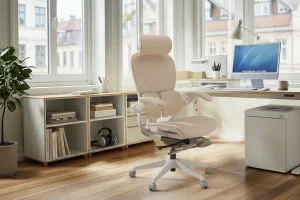
Student Chairs: Chairs should have an appropriate height in relation to the desks and the users’ body proportions. Choose chairs with supportive backrests and comfortable seating. For spaces where students spend extended periods learning, durability and material strength should also be important considerations.
Cabinets and Storage Shelving: These are ideal for organizing books, teaching materials, and various learning supplies. Proper storage helps maintain an orderly environment, reduce clutter, and ensure that essential items are easily accessible.
Multifunctional Furniture: For spaces with limited room, consider furniture that can be adapted for different purposes or easily moved, such as folding tables, lightweight chairs, or shelving units that can also be used as room dividers.
- Create Suitable Lighting for an Effective Learning Environment
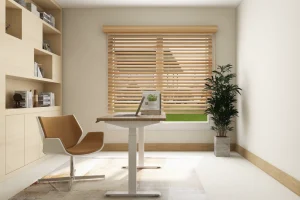
Make the Most of Natural Light: Arrange desks in positions that receive adequate natural daylight while avoiding direct sunlight shining into students’ eyes. Adjustable blinds can help control brightness and reduce glare that may interfere with learning.
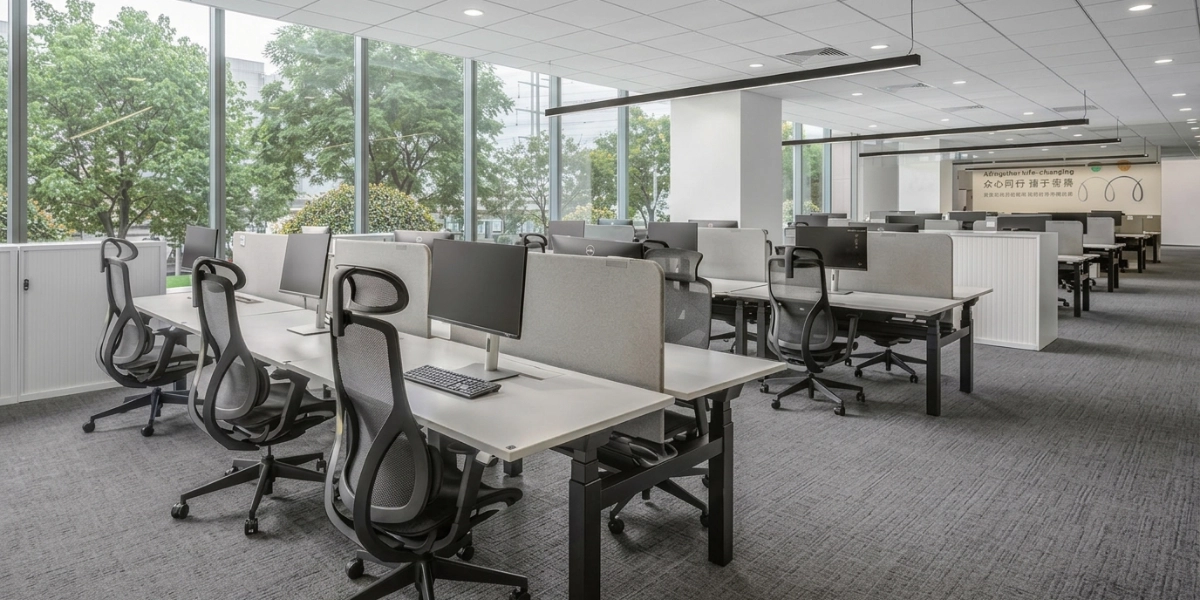
Ensure Adequate Lighting: Choose ceiling lights that provide sufficient and evenly distributed illumination without creating dark shadows around desks. Additional desk lamps can be installed in reading areas or study corners where focused lighting is needed.
Adjust Lighting for Technology Use: In classrooms equipped with computers or display screens, arrange lighting appropriately to minimize screen glare and ensure that students can clearly see the displayed content.
- Choose Relaxing Colors That Encourage Creativity
White and Cream: Help create a bright, clean, and spacious atmosphere. These colors are ideal for classrooms and reading areas that emphasize simplicity and visual comfort.
Blue and Light Blue: Create a calm and relaxing atmosphere, making them suitable for reading areas and learning spaces that require concentration.
Green: Helps create a natural and refreshing environment. Combine green with wood-grain furniture or decorative plants to bring a sense of freshness and vitality into the space.
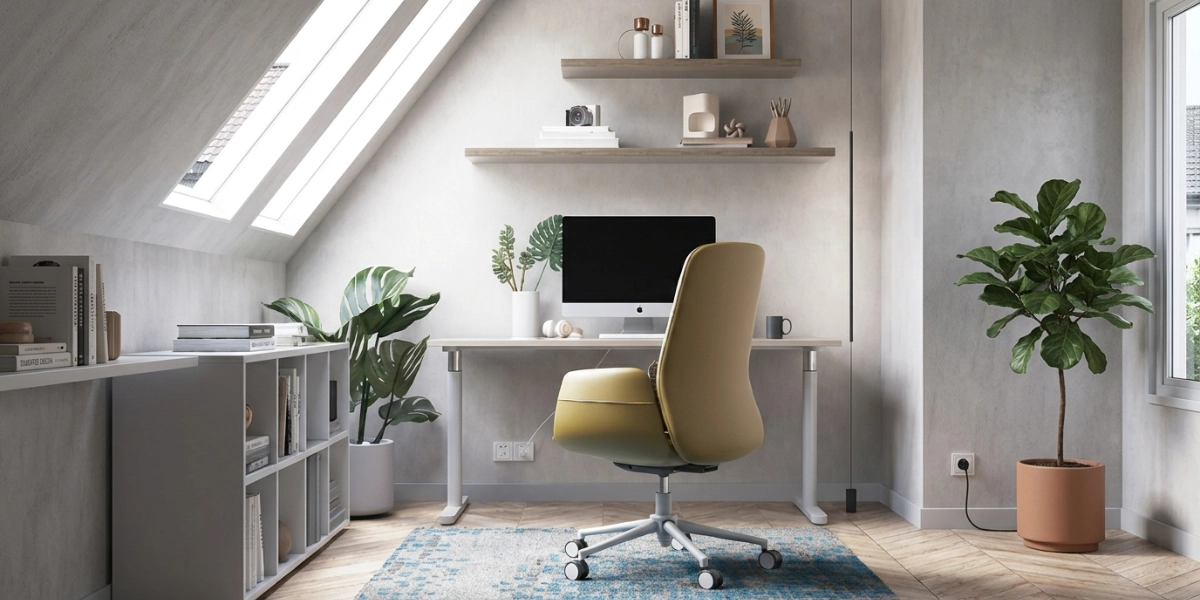
Yellow and Orange: Add brightness, energy, and vibrancy to the environment. These colors are suitable as accents in selected areas, such as decorative walls, chairs, or classroom accessories, to make the space more visually engaging.