Tips for Designing Office Common Areas and Choosing the Right Furniture
Common areas play an important role in creating a well-balanced workplace environment. A well-designed common area involves more than simply arranging tables, chairs, or sofas to look attractive. It should also consider comfort, space planning, and the number of users to ensure that employees can fully enjoy their breaks, recharge, and return to work feeling refreshed and more productive.
- Plan Common Areas According to Their Functions
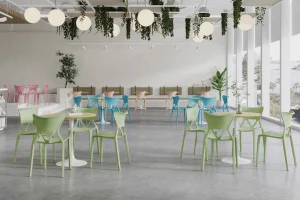
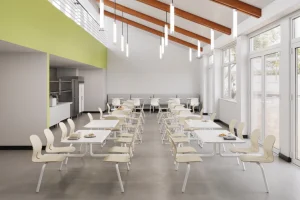
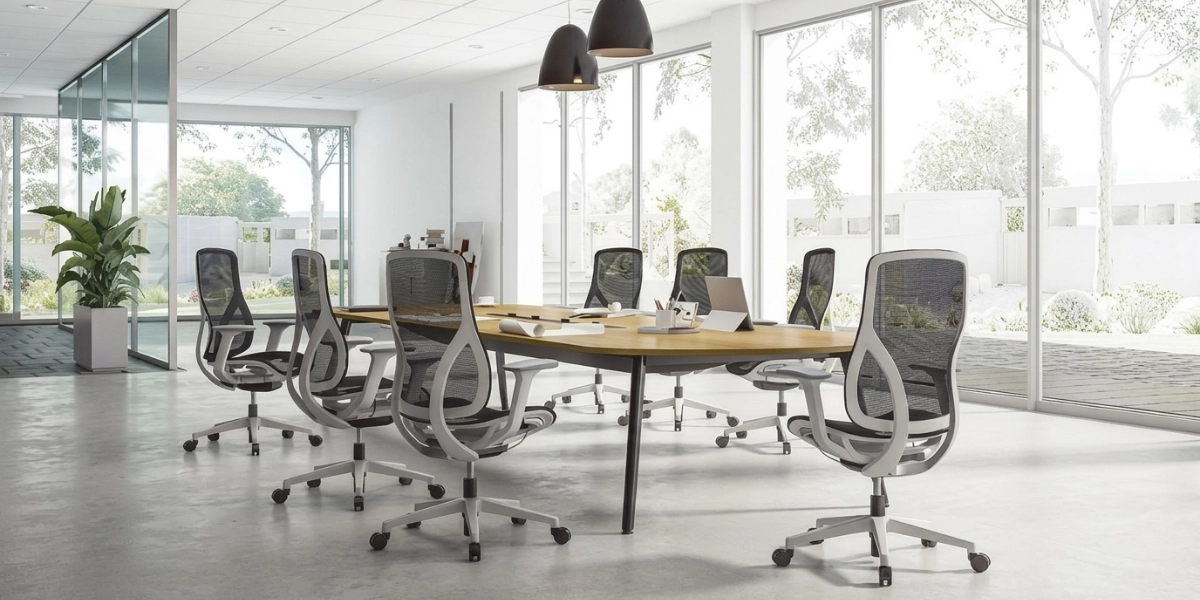
Dining Areas: Dining areas should be well-organized, with sufficient tables and chairs to accommodate the number of employees. Ensure that walkways are wide enough for convenient access and the movement of food. For organizations with a large workforce, consider arranging multiple dining table sets to accommodate employees during peak lunch hours.
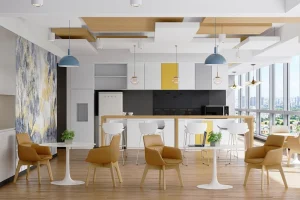
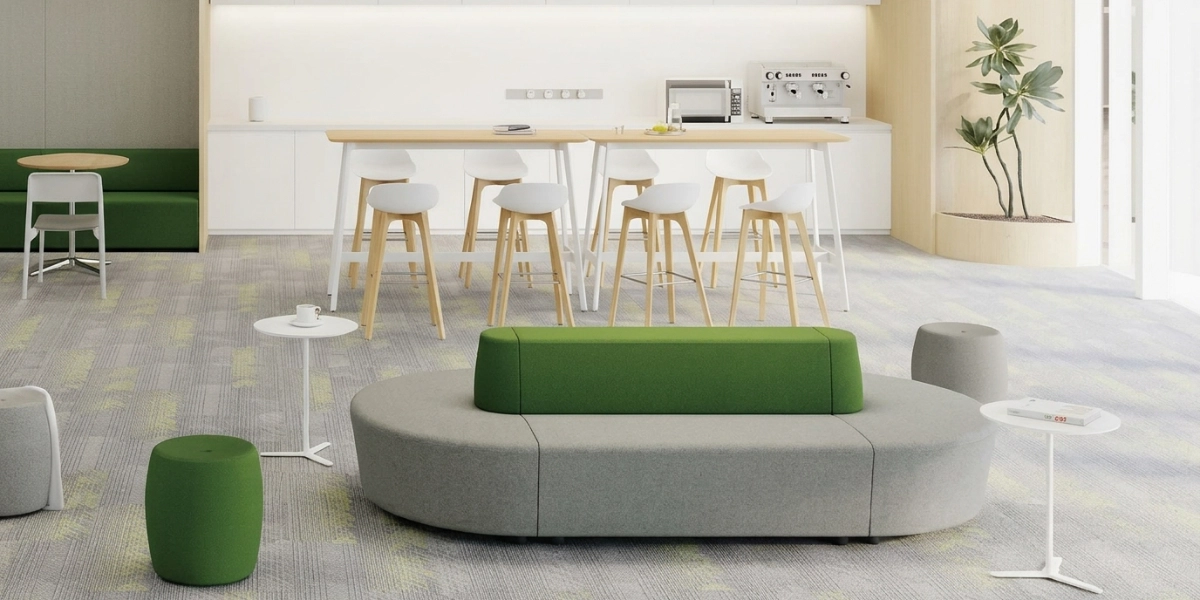
Lounge and Relaxation Areas: These spaces are ideal for resting the eyes, changing postures, or taking a break throughout the day. Consider creating a comfortable seating corner with sofas or lounge chairs, complemented by a small coffee table to create a welcoming and relaxing atmosphere that feels like home.
- Choose Furniture Sizes and Types That Suit the Space
Dining Tables: Choose table sizes that suit the number of employees and the available space. Rectangular tables are suitable for accommodating multiple users, while round tables are ideal for smaller spaces where a more casual and friendly atmosphere is desired.
Lounge Chairs and Dining Chairs: Choose chairs that are appropriately sized, durable, and comfortable for everyday use. For dining areas, select materials that are easy to clean and maintain. For relaxation areas, consider chairs with cushioned seats and supportive backrests to provide additional comfort.
Sofas and Coffee Tables: These are ideal for creating comfortable relaxation corners within the workplace. They help establish a welcoming and laid-back atmosphere. Depending on the available space, consider two- to three-seater sofas or corner sofas, complemented by coffee tables for placing beverages and personal belongings.
Cabinets and Shelving Units: Suitable for storing dining supplies, shared equipment, and other essential items. These storage solutions help keep common areas organized and make everyday maintenance easier.
- Create Suitable Lighting for a Relaxing Atmosphere
Make the Most of Natural Light: If the common area has windows or openings that allow natural light in, make use of daylight to create a bright, open, and airy environment. Sheer curtains can also be used to soften direct sunlight and reduce excessive brightness.
Choose Lighting That Suits Different Activities: Dining areas should have sufficient lighting to ensure that employees can clearly see their food and surrounding items. For lounge and relaxation areas, softer lighting can be used to create a warm and comfortable atmosphere.
Enhance the Space with Decorative Lighting: Consider incorporating pendant lights, floor lamps, or concealed wall lighting to add depth and character to the interior. However, lighting arrangements should always prioritize safety and avoid causing discomfort to users.
- Choose Relaxing Colors to Create a Pleasant Atmosphere
White and Cream: Help create a bright, clean, and spacious appearance. These colors are ideal for smaller common areas and can be paired with wood-grain furniture to add warmth.
Green and Earthy Tones: Shades such as muted green, beige, and light brown create a natural, warm, and relaxing atmosphere. These colors are particularly suitable for lounge areas and relaxation spaces.
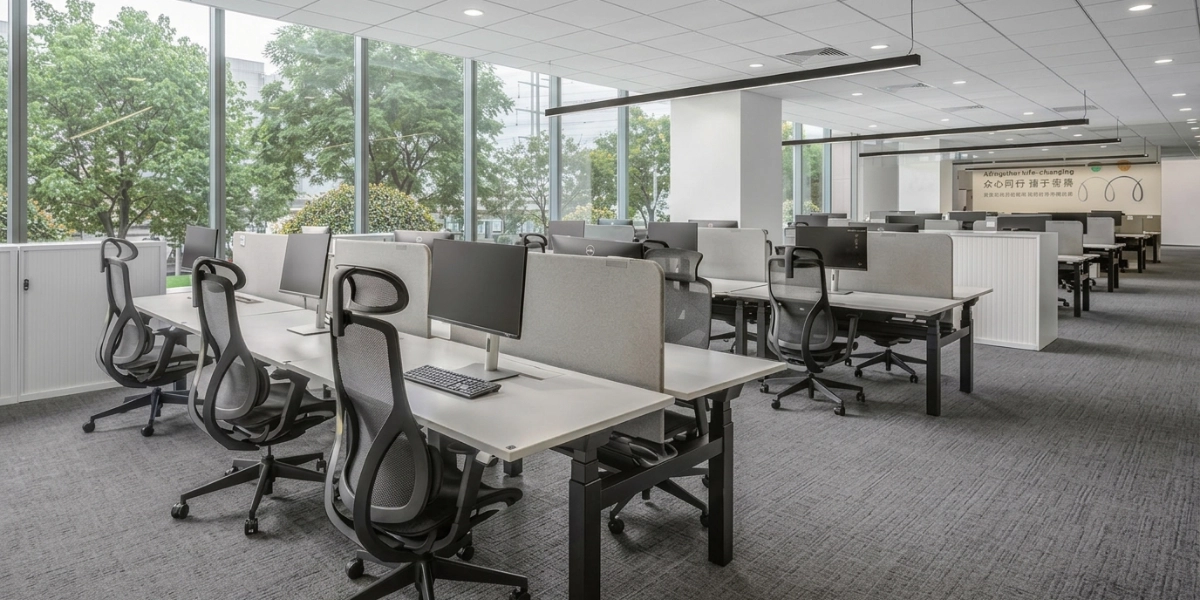
Blue and Light Gray: Create a calm, soothing, and contemporary atmosphere. These colors are ideal for common areas that emphasize simplicity, comfort, and an organized appearance.
Bright and Vibrant Colors: Shades such as yellow, orange, and green can be introduced as accent colors through chairs, cushions, or decorative accessories to add energy and make the space more lively and visually appealing.